
MIRA — A TV You Can Talk To
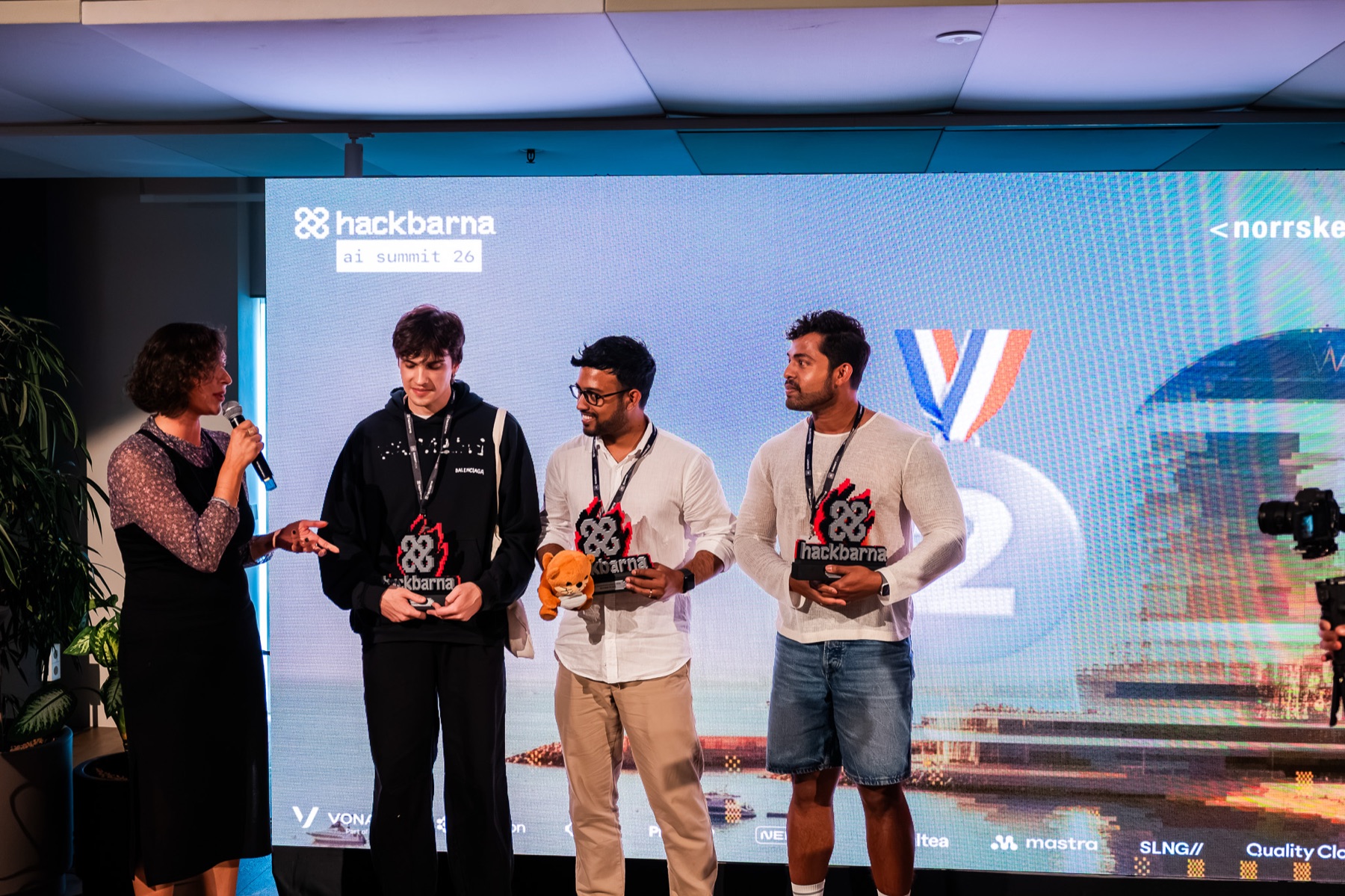
A conversational, avatar-led TV experience whose interface moves while it speaks. Built at HackBarna 2026, where it placed 2nd out of 68 projects, won the Titan OS challenge, and finished runner-up in the SLNG challenge.
A TV You Can Talk To
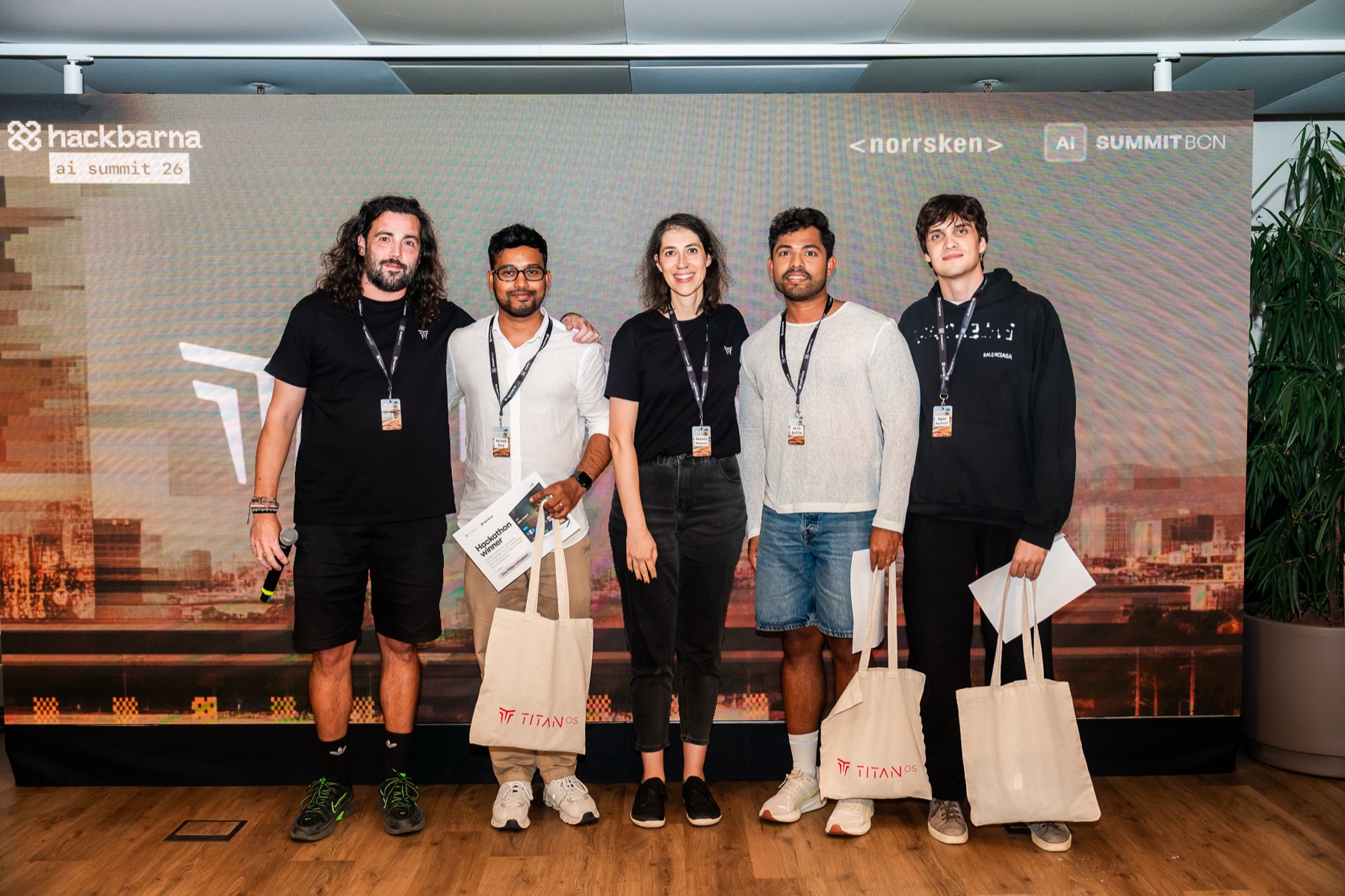
Built with Igor Kuzmin and Arik Dutta at HackBarna, the hackathon that opened AI Summit Barcelona at Norrsken. MIRA turns television discovery into a conversation: tell her what you are in the mood for, and she finds something, talks it through with you, and presses play.
The project placed 2nd overall out of 68 projects, won the Titan OS challenge, and finished runner-up in the SLNG challenge.
The Core Interaction
Most voice assistants stop talking when they need to do something: “Let me do that for you…”—then a pause, then the action. MIRA does not pause. Every conversational turn produces two outputs concurrently:
- Speech — what MIRA says to the viewer
- TV commands — a typed stream of actions such as focus, open details, and play
The screen moves while MIRA is still mid-sentence. If the viewer interrupts, any command that has not yet been emitted is dropped. That distinction makes MIRA feel less like a voice remote and more like a presenter.
Architecture
MIRA separates the experience into two planes. The media plane runs as a single Pipecat pipeline:
WebRTC → speech-to-text → LLM → text-to-speech → lip-synced avatar
The command plane emits structured TV actions alongside the spoken response. Keeping the two synchronized allows the interface to respond continuously without waiting for speech to finish, while interruption handling prevents stale actions from reaching the TV.
Technology
- Pipecat for the real-time conversational pipeline
- WebRTC for low-latency media transport
- Nebius for inference
- SLNG for MIRA’s voice
- Titan OS for the TV platform
- fal for generated media
Team
Arnab Dey, Igor Kuzmin, and Arik Dutta
The recorded demo begins at 58:19 and features a custom avatar of Igor Kuzmin.